Buy fischbahnhof.eu ?
We are moving the project
fischbahnhof.eu .
Are you interested in purchasing the domain
fischbahnhof.eu ?
domain@kv-gmbh.de · 0541-91531010
Buy fischbahnhof.eu ?
How do climate and vegetation determine the formation of a landscape?
Climate and vegetation play a crucial role in shaping the formation of a landscape. The climate of an area, including factors such as temperature, precipitation, and wind patterns, determines the type of vegetation that can thrive in that environment. The presence of certain types of vegetation, in turn, influences the physical characteristics of the landscape, such as soil composition, erosion patterns, and the overall appearance of the terrain. For example, in a hot and dry climate, the presence of desert vegetation like cacti and succulents can lead to the formation of a desert landscape characterized by sandy dunes and rocky outcrops. In contrast, a region with abundant rainfall and lush vegetation may have a landscape dominated by dense forests and fertile soil. **
What is the difference between landscape and landscape ecosystem?
Landscape refers to the visible features of an area of land, including physical elements such as mountains, rivers, and forests. On the other hand, a landscape ecosystem encompasses not only the physical features of the land but also the interactions between living organisms and their environment within that landscape. It includes the relationships between plants, animals, and their surroundings, as well as the flow of energy and nutrients within the ecosystem. In essence, landscape ecosystem is a more holistic concept that considers both the physical and biological aspects of a landscape. **


Similar search terms for Landscape formation
Top-Angebote
Products related to Landscape formation:
-
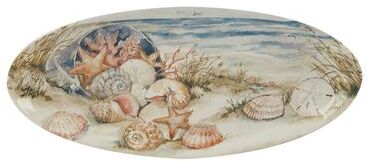
"Certified International Coastal Landscape Fish Platter - 19.5"" x 8.75""""Beautiful beach scenes decorate Certified International's ""Coastal Landscape ""collection of ceramic tabletop and serveware. Watercolor images from the studio of Susan Winget adorn each mix and match dinnerware and serveware piece."39,99 $*Shipping: 0,00 $Secure redirect to the provider
-
KitchenCraft Set of Stainless Steel Fish Crackers and Seafood ForksA complete Kitchen Craft seafood dining set, including shell fish crackers to crack hard shell seafood, and individual long handled dual ended seafood forks and scoops for removing and eating meat from shell fish, and crab and lobster claws.16,79 £*Shipping: 3,50 £Secure redirect to the provider
-
Combo Retail Shop Mushroom And Moss House Ornament For Fish, Shrimp Shelter, Aquarium Decoration, Desk Decor Landscape For Fish Tank, Home Mushroom And Moss House Ornament For Fish, Shrimp Shelter, Aquarium Decoration, Desk Decor Landscape For Fish Tank,Transform your aquarium or desk with the Mushroom and Moss House Ornament, a unique and charming aquarium decoration that adds a natural, rustic touch to any space. This moss house creates the perfect shelter for your fish and shrimp, providing them...38,97 $*Shipping: 0,00 $Secure redirect to the provider
-
Quick Pick Pro Realistic Volcano Aquarium Decor Aerator Bubble Stone Oxygenation Ornament For Fish Tank Landscape Realistic Volcano Aquarium Decor Aerator Bubble Stone Oxygenation Ornament For Fish Tank LandscapeTurn your ordinary tank into a vibrant underwater world with the Realistic Volcano aquarium decor aerator that delights both you and your aquatic pets. Designed for fish lovers and hobbyists, this unique ornament doesnt just look stunning it works...29,97 $*Shipping: 0,00 $Secure redirect to the provider



-
What is the difference between landscape architecture and landscape planning?
Landscape architecture focuses on the design and planning of outdoor spaces, including parks, gardens, and urban plazas, with a focus on aesthetics, functionality, and sustainability. Landscape architects often work on specific projects, creating detailed designs and plans for outdoor spaces. On the other hand, landscape planning is a broader field that involves the strategic and holistic planning of land use, natural resources, and environmental conservation. It encompasses the assessment, analysis, and management of landscapes at a larger scale, often involving multiple stakeholders and considering long-term impacts on the environment and communities. In summary, landscape architecture is more focused on the design and aesthetics of outdoor spaces, while landscape planning involves the strategic and comprehensive planning of land use and natural resources. **
-
What is the difference between sperm formation and egg formation?
Sperm formation, or spermatogenesis, occurs in the testes of males and involves the production of sperm cells through a process of cell division and differentiation. On the other hand, egg formation, or oogenesis, occurs in the ovaries of females and involves the production of egg cells through a similar process of cell division and differentiation. The key difference between the two processes is that sperm formation results in the production of four functional sperm cells from one parent cell, while egg formation results in the production of one functional egg cell from one parent cell. Additionally, sperm formation begins at puberty and continues throughout a male's life, while egg formation begins before birth and is completed during the reproductive years. **
-
Why does the formation of monopolies occur in a market economy?
Monopolies can form in a market economy due to several factors. One reason is barriers to entry, such as high start-up costs or control of essential resources, which can make it difficult for new firms to enter the market and compete with existing companies. Additionally, economies of scale can give larger companies a cost advantage over smaller ones, allowing them to dominate the market. Finally, some industries may naturally lend themselves to monopolistic tendencies due to the nature of the product or service being offered. Overall, the formation of monopolies in a market economy can limit competition and potentially harm consumers by reducing choices and driving up prices. **
-
What are landscape units?
Landscape units are distinct areas within a landscape that share similar ecological, geological, and topographical characteristics. These units are defined based on factors such as soil type, vegetation, landform, and hydrology. By identifying and mapping landscape units, land managers and conservationists can better understand the diversity and dynamics of a landscape, and make informed decisions about land use and conservation strategies. This approach helps to recognize the unique features and functions of different areas within a landscape, and can guide efforts to protect and manage natural resources. **


What are landscape zones?
Landscape zones refer to different areas within a landscape that are designated for specific purposes or have distinct characteristics. These zones can include areas for recreation, conservation, agriculture, or residential development. They are often planned and managed to optimize the use of the land and to protect natural resources. By dividing a landscape into zones, it becomes easier to balance human activities with the preservation of natural ecosystems. **
What is fat formation?
Fat formation, also known as adipogenesis, is the process by which fat cells, or adipocytes, are created and accumulate in the body. This process involves the differentiation of precursor cells, such as preadipocytes, into mature adipocytes, which then store excess energy in the form of triglycerides. Fat formation is influenced by various factors, including diet, hormones, and genetics, and plays a crucial role in energy balance and metabolism. Excessive fat formation can lead to obesity and related health issues, while impaired fat formation can contribute to metabolic disorders. **
Top-Angebote
Products related to Landscape formation:
-
Northwest Operation Hat Trick Formation Faux Mink Sherpa Throw BlanketCelebrate your patriotism and support a meaningful cause with this Operation Hat Trick Faux Mink Silk Touch Sherpa Throw Blanket. This extraordinary blanket combines silky softness with plush faux mink and the cozy warmth of sherpa fabric.89,99 $*Shipping: 0,00 $Secure redirect to the provider
-
Youfap Market Colorful Lionfish Floating Ornament For Underwater Aquarium Tank Landscape fish BlueBring a Splash of Color to Your Aquarium: Transform your goldfish tank into an underwater paradise with this Simulated Colored Lionfish Floating Ornament. Designed to mimic the natural beauty of a lionfish, it adds a stunning visual element to your...32,97 $*Shipping: 0,00 $Secure redirect to the provider
-
"Certified International Coastal Landscape Fish Platter - 19.5"" x 8.75""""Beautiful beach scenes decorate Certified International's ""Coastal Landscape ""collection of ceramic tabletop and serveware. Watercolor images from the studio of Susan Winget adorn each mix and match dinnerware and serveware piece."39,99 $*Shipping: 0,00 $Secure redirect to the provider
-
KitchenCraft Set of Stainless Steel Fish Crackers and Seafood ForksA complete Kitchen Craft seafood dining set, including shell fish crackers to crack hard shell seafood, and individual long handled dual ended seafood forks and scoops for removing and eating meat from shell fish, and crab and lobster claws.16,79 £*Shipping: 3,50 £Secure redirect to the provider
-
How do climate and vegetation determine the formation of a landscape?
Climate and vegetation play a crucial role in shaping the formation of a landscape. The climate of an area, including factors such as temperature, precipitation, and wind patterns, determines the type of vegetation that can thrive in that environment. The presence of certain types of vegetation, in turn, influences the physical characteristics of the landscape, such as soil composition, erosion patterns, and the overall appearance of the terrain. For example, in a hot and dry climate, the presence of desert vegetation like cacti and succulents can lead to the formation of a desert landscape characterized by sandy dunes and rocky outcrops. In contrast, a region with abundant rainfall and lush vegetation may have a landscape dominated by dense forests and fertile soil. **
-
What is the difference between landscape and landscape ecosystem?
Landscape refers to the visible features of an area of land, including physical elements such as mountains, rivers, and forests. On the other hand, a landscape ecosystem encompasses not only the physical features of the land but also the interactions between living organisms and their environment within that landscape. It includes the relationships between plants, animals, and their surroundings, as well as the flow of energy and nutrients within the ecosystem. In essence, landscape ecosystem is a more holistic concept that considers both the physical and biological aspects of a landscape. **
-
What is the difference between landscape architecture and landscape planning?
Landscape architecture focuses on the design and planning of outdoor spaces, including parks, gardens, and urban plazas, with a focus on aesthetics, functionality, and sustainability. Landscape architects often work on specific projects, creating detailed designs and plans for outdoor spaces. On the other hand, landscape planning is a broader field that involves the strategic and holistic planning of land use, natural resources, and environmental conservation. It encompasses the assessment, analysis, and management of landscapes at a larger scale, often involving multiple stakeholders and considering long-term impacts on the environment and communities. In summary, landscape architecture is more focused on the design and aesthetics of outdoor spaces, while landscape planning involves the strategic and comprehensive planning of land use and natural resources. **
-
What is the difference between sperm formation and egg formation?
Sperm formation, or spermatogenesis, occurs in the testes of males and involves the production of sperm cells through a process of cell division and differentiation. On the other hand, egg formation, or oogenesis, occurs in the ovaries of females and involves the production of egg cells through a similar process of cell division and differentiation. The key difference between the two processes is that sperm formation results in the production of four functional sperm cells from one parent cell, while egg formation results in the production of one functional egg cell from one parent cell. Additionally, sperm formation begins at puberty and continues throughout a male's life, while egg formation begins before birth and is completed during the reproductive years. **
Similar search terms for Landscape formation
-
Combo Retail Shop Mushroom And Moss House Ornament For Fish, Shrimp Shelter, Aquarium Decoration, Desk Decor Landscape For Fish Tank, Home Mushroom And Moss House Ornament For Fish, Shrimp Shelter, Aquarium Decoration, Desk Decor Landscape For Fish Tank,Transform your aquarium or desk with the Mushroom and Moss House Ornament, a unique and charming aquarium decoration that adds a natural, rustic touch to any space. This moss house creates the perfect shelter for your fish and shrimp, providing them...38,97 $*Shipping: 0,00 $Secure redirect to the provider
-
Quick Pick Pro Realistic Volcano Aquarium Decor Aerator Bubble Stone Oxygenation Ornament For Fish Tank Landscape Realistic Volcano Aquarium Decor Aerator Bubble Stone Oxygenation Ornament For Fish Tank LandscapeTurn your ordinary tank into a vibrant underwater world with the Realistic Volcano aquarium decor aerator that delights both you and your aquatic pets. Designed for fish lovers and hobbyists, this unique ornament doesnt just look stunning it works...29,97 $*Shipping: 0,00 $Secure redirect to the provider
-
Combo Retail Shop Creative House Ornament For Aquarium, Fish Shrimp Shelter, Moss House, Landscape Mushroom Decoration, Desk Decor Creative House Ornament For Aquarium, Fish Shrimp Shelter, Moss House, Landscape Mushroom Decoration, Desk DecorTransform Your Aquarium with a Unique Creative House Ornament Elevate your fish tank to a whole new level with this Creative House Ornament Aquarium Decoration. This whimsical Mushroom and Moss House is more than just a shelterit's a statement piece...42,97 $*Shipping: 0,00 $Secure redirect to the provider
-
Perfect Picks Market Solar RGB Garden Spotlights Pack Waterproof Landscape Lights warm White1Transform your outdoor space into a glowing sanctuary with these solar garden lights designed to elevate any yard effortlessly. Perfect for homeowners who want beauty without high energy bills, these lights charge by day and shine brilliantly at...59,97 $*Shipping: 0,00 $Secure redirect to the provider
-
Why does the formation of monopolies occur in a market economy?
Monopolies can form in a market economy due to several factors. One reason is barriers to entry, such as high start-up costs or control of essential resources, which can make it difficult for new firms to enter the market and compete with existing companies. Additionally, economies of scale can give larger companies a cost advantage over smaller ones, allowing them to dominate the market. Finally, some industries may naturally lend themselves to monopolistic tendencies due to the nature of the product or service being offered. Overall, the formation of monopolies in a market economy can limit competition and potentially harm consumers by reducing choices and driving up prices. **
-
What are landscape units?
Landscape units are distinct areas within a landscape that share similar ecological, geological, and topographical characteristics. These units are defined based on factors such as soil type, vegetation, landform, and hydrology. By identifying and mapping landscape units, land managers and conservationists can better understand the diversity and dynamics of a landscape, and make informed decisions about land use and conservation strategies. This approach helps to recognize the unique features and functions of different areas within a landscape, and can guide efforts to protect and manage natural resources. **
-
What are landscape zones?
Landscape zones refer to different areas within a landscape that are designated for specific purposes or have distinct characteristics. These zones can include areas for recreation, conservation, agriculture, or residential development. They are often planned and managed to optimize the use of the land and to protect natural resources. By dividing a landscape into zones, it becomes easier to balance human activities with the preservation of natural ecosystems. **
-
What is fat formation?
Fat formation, also known as adipogenesis, is the process by which fat cells, or adipocytes, are created and accumulate in the body. This process involves the differentiation of precursor cells, such as preadipocytes, into mature adipocytes, which then store excess energy in the form of triglycerides. Fat formation is influenced by various factors, including diet, hormones, and genetics, and plays a crucial role in energy balance and metabolism. Excessive fat formation can lead to obesity and related health issues, while impaired fat formation can contribute to metabolic disorders. **
* All prices are inclusive of VAT and, if applicable, plus shipping costs. The offer information is based on the details provided by the respective shop and is updated through automated processes. Real-time updates do not occur, so deviations can occur in individual cases. ** Note: Parts of this content were created by AI.